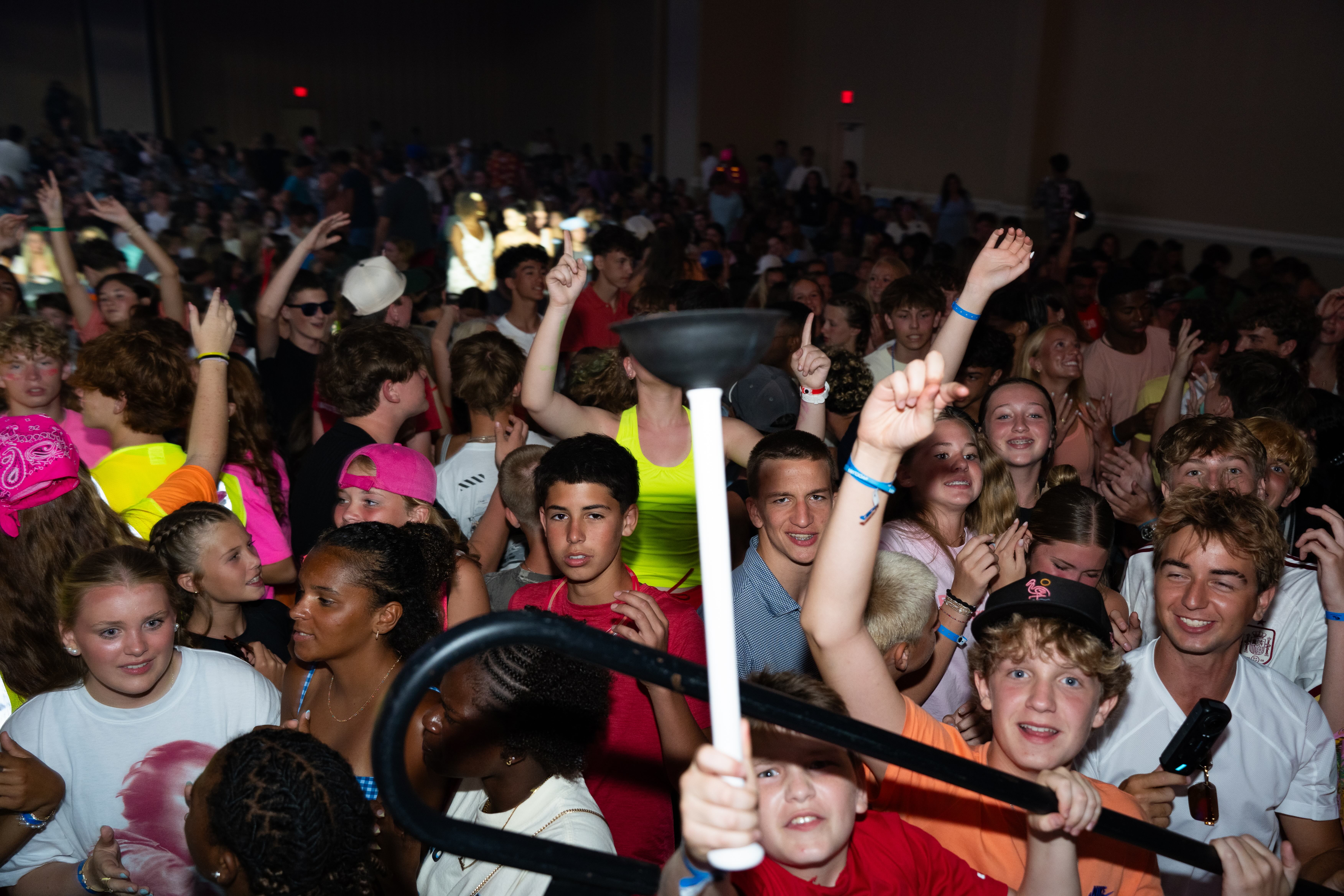
The van is unloaded. The wet towels are finally out of the church hallway. Sunday arrives, and a student who barely spoke all year sits down next to someone new in small group.
That is the test of a summer camp.
Not whether the stage looked great. Not whether the students had enough stories for the ride home. Those things matter, but they are not the point. The right youth group summer camp gives your ministry something to build on when ordinary life starts again.
Choosing one can feel harder than it should. Every camp promises fun, worship, community, and life change. A better way to choose is to ask a sharper question: Will this camp strengthen the ministry we are already trying to lead?
Here is how to find out.
Start with the ministry outcome, not the brochure
Before comparing locations, speakers, or price tags, name what your group needs most right now.
Maybe your students need a fresh picture of who Jesus is. Maybe your small groups need trust after a hard year. Maybe your leaders are tired and need support, not another week where they carry the whole load alone. Maybe you are bringing first-time students who need a clear, welcoming entry point.
Write down two or three outcomes you want to see six weeks after camp. Keep them simple and observable:
- Students talk more honestly in small group.
- New students have a place to belong.
- Adult leaders feel more connected and equipped.
- Students take the next step in following Jesus at home.
This step keeps you from choosing a camp that is impressive but misaligned. A camp can have excellent production and still not give your group the space, care, or theological clarity it needs. BigStuf’s answers to common parent and youth leader questions offer one example of the details a camp should make easy to find.
Look for a camp that serves groups, not just attendees
Your students may attend the same sessions as thousands of others, but they will process the week in the context of your church. That makes the group experience central.
A strong Christian summer camp for youth groups should make it easy for your leaders to stay present with students. Ask how the camp handles housing, meals, schedules, arrival, free time, medical needs, and communication. Every unclear detail creates work for the people who are already responsible for students.
Then ask what happens after a session. Are students simply released into a crowd, or do they have an intentional way to talk with their own leaders and peers? The best moments at camp often happen in the quieter places: a circle of chairs after worship, a walk back to the room, a conversation that starts with, “What did you think about that?”
Choose a camp that protects room for those moments.

Pay attention to what adults receive
Youth ministry can turn camp into a week of troubleshooting. You need enough adults, clear safety procedures, and a schedule that does not leave leaders running from problem to problem. But support should go further than that.
The leaders in your ministry are not merely chaperones. They are the people students will remember when the music stops. A camp that invests in leaders helps that influence last longer.
Ask these questions:
- Is there teaching or encouragement built specifically for adult leaders?
- Are leaders given tools for small-group conversations?
- Does the schedule allow leaders to rest, eat, and connect with one another?
- Does the camp team make the logistics clear before you arrive?
At BigStuf, Leader Labs are designed for this purpose: three gatherings during the week that give adult leaders space to be encouraged and better equipped for the students they serve. That is not a bonus feature. It shapes what your group takes home. If your team is already carrying too much, read our honest guide to recognizing and responding to youth ministry burnout.
Treat safety and logistics as ministry decisions
Safety details can feel less inspiring than a speaker announcement. They are still one of the clearest signs of care.
Do not settle for vague reassurance. Ask for specifics about security, waterfront supervision, medical response, housing access, transportation, leader-to-student expectations, and communication in an emergency. The American Camp Association’s camp safety guidance offers a useful set of questions, while the CDC recommends keeping emergency contact and reunification plans current. Share the answers with parents before they have to ask.
The same goes for logistics. A great youth group summer camp should reduce avoidable friction. When students and leaders stay on one property, for example, it is easier to keep the group connected and simplify the parts of camp that can become stressful.
At BigStuf, groups stay together at the Boardwalk Beach Resort in Panama City Beach, where camp programming, lodging, meals, and beach access are in one place. The goal is simple: spend less energy coordinating and more energy being with your students. Our parent’s guide to BigStuf covers the environment, supervision, and experience in more detail.
Consider the full cost, not only the advertised price
The lowest listed price is not always the most affordable option. Build a simple, honest estimate that includes travel, meals, lodging, programming, required deposits, leader costs, activities, and any likely extras.
Then compare what each camp includes. A price that covers most of the week can be easier for families to plan around than a lower price followed by a string of add-ons. If your group size is still taking shape, look for registration policies that give you room to add students as they commit.
BigStuf is built for church and youth groups, with a per-attendee deposit and flexibility to add spaces as your group grows. Ten meals are included during the five-day experience. For leaders balancing ministry budgets and family budgets, clarity matters. Review the current BigStuf camp details and registration information as you build your comparison.
Choose a setting that helps students be present
There is nothing wrong with a great camp activity. Students should laugh hard, play hard, and make memories together. Still, entertainment is not the same as formation.
Think about whether the environment supports the rhythm you want: gathering, worship, conversation, rest, and shared fun. A change of place can help students put down the noise of normal routines long enough to listen, but only if the camp uses that setting with intention.
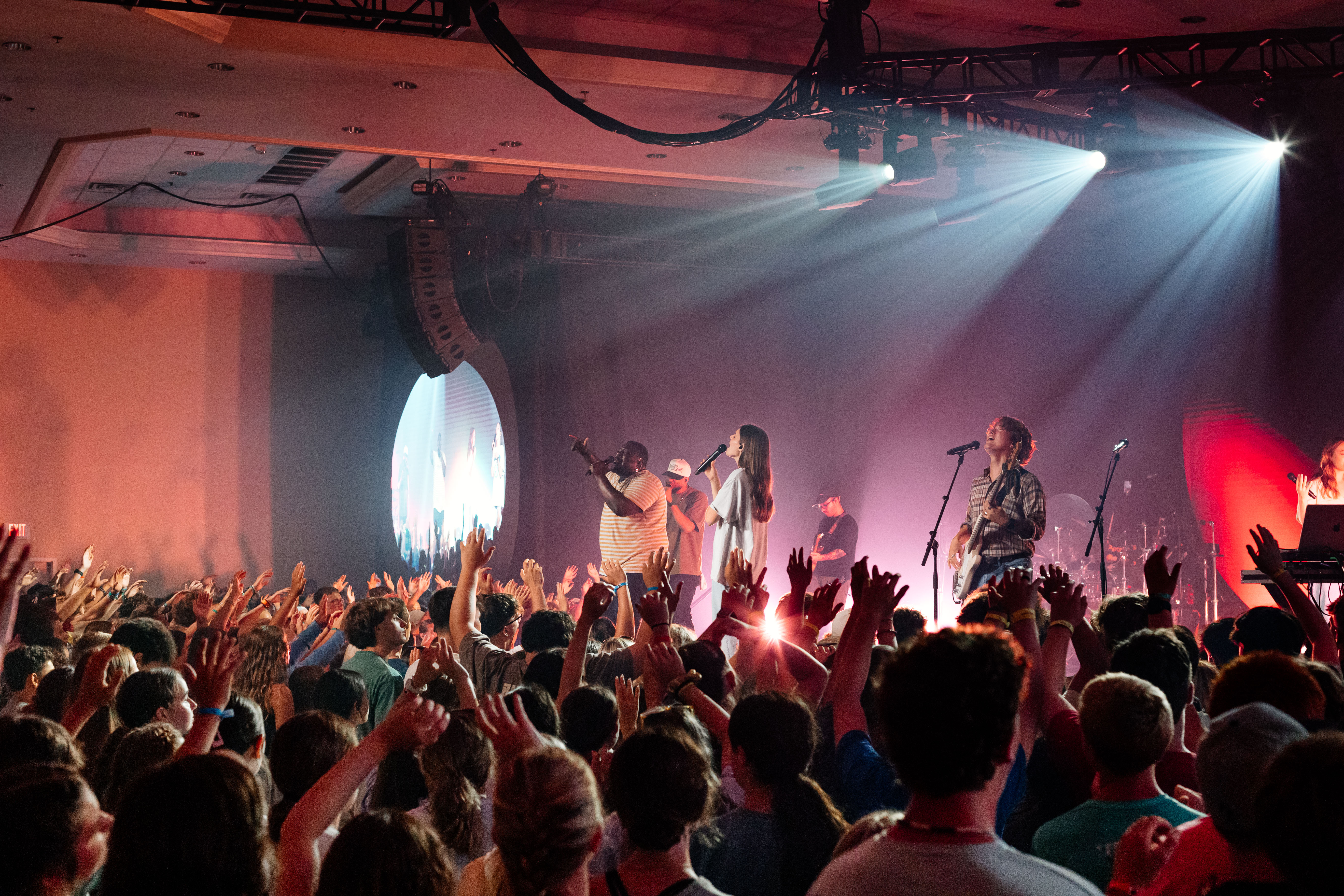
BigStuf’s five-day beachfront experience gives groups a shared world for the week: sessions, worship, small groups, meals, recreation, and time by the water. The beach is part of the memory. The relationships and conversations are the reason the memory matters.
Ask what comes home with your group
The most useful question may be the one camps rarely put at the top of a webpage: What happens after Friday?
Before you register, make a plan for the first month back. Schedule a debrief with leaders. Let students share stories at church. Return to themes from camp in small group. Give new students a next step before they fade back into the edges of the room. If this will be your first trip, our guide to what a BigStuf week looks like for leaders can help your adult team prepare.
The camp you choose should make this follow-through easier. Look for a clear spiritual focus, practical resources for leaders, and a program that strengthens your existing relationships rather than competing with them.
Camp is not a substitute for a faithful youth ministry. It is a concentrated moment inside one. Choose the camp that helps your people come home more ready to know Jesus, care for one another, and keep showing up.
Planning next summer for your youth group?
BigStuf has served church and youth groups since 1988. Our five-day summer experience in Panama City Beach brings together worship, teaching, small-group time, recreation, and practical support for the leaders who make camp meaningful.